Prosecutors Say Oakland Woman Cashed in Church Parking Lot for $480K
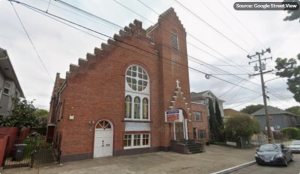
OAKLAND, CA — Oakland, Alameda County prosecutors say a local woman secretly sold a church parking lot and funneled roughly $480,000 from the deal to herself, announcing criminal charges today. The case is raising fresh questions about how churches and other nonprofits keep track of the real estate they rely on for programs and revenue.
Prosecutors: Lot Sold Without Congregation’s OK
According to prosecutors, the property at the center of the case is the parking lot serving Seventh Avenue Baptist Church, and the disputed sale generated about $480,000 that the district attorney alleges was misappropriated from the congregation. Details in the charging documents, including the timeline of the alleged transfers, were reported by The Mercury News. The church’s address is listed as 1740 7th Avenue in Oakland, according to MapQuest.
Charges and Potential Legal Exposure
The allegations center on embezzlement and related theft counts. In California, embezzlement of property or funds over the statutory threshold is typically treated as grand theft and can be charged as either a misdemeanor or a felony. Potential penalties for grand-theft-level embezzlement can include jail or prison time, substantial fines and restitution, and prosecutors often ask courts to order repayment to victims. California law and legal analyses, including those from Shouse Law, outline how theft-by-embezzlement is charged and the range of punishments available.
How Deed and Title Scams Fit This Pattern
While the facts in this specific case remain allegations that must be proved in court, industry data show that schemes involving the sale or encumbrance of property without an owner’s knowledge are a growing risk for parcels that are not closely monitored. A 2025 Deed & Title Fraud Survey from the National Association of REALTORS® found many real estate professionals have encountered deed or title fraud in their markets, particularly involving vacant or lightly supervised parcels, a trend legal observers say leaves noncommercial property vulnerable.
Case Status and What Comes Next
The Alameda County District Attorney’s Office has filed charges, and the matter remains in the early stages of prosecution. Court dates and additional filings were not yet public at the time of reporting. Local prosecutors are pursuing criminal charges and may also seek restitution on behalf of the congregation, according to The Mercury News. For general information about the office handling the case, the Alameda County District Attorney’s contact page lists office locations and public-facing resources.
How Churches and Nonprofits Can Guard Property
Experts recommend that congregations and small nonprofits periodically audit property records, sign up for county recorder fraud-alert services they available, and consult an attorney or title company before signing or accepting any paperwork that affects ownership. Title insurance, routine checks of recorded documents, and clear internal bookkeeping controls can all reduce the odds that a theft or forged transfer goes unnoticed. For legal help or to report suspected fraud, victims are advised to contact local law enforcement or the Alameda County District Attorney’s Office. Consumer resources from the National Association of REALTORS® and county recorder offices outline additional steps owners can take to monitor title activity.
Read original article