A bipartisan duo helped force Reps. Swalwell and Gonzales to resign. They say other House members could be next.

WASHINGTON, DC — A cross-party effort caused two House members to resign on Tuesday under threat of expulsion — and the two female lawmakers who helped lead that push say additional members of Congress could face pressure next.

In an interview with CBS News, Rep. Anna Paulina Luna and Rep. Teresa Leger Fernández — a Republican and a Democrat, respectively — described how they coordinated to push Democratic Rep. Eric Swalwell and GOP Rep. Tony Gonzales to step down this week rather than face votes to remove them from office over allegations of misconduct.

Multiple women in recent days have accused Swalwell of sexual assault or sending unsolicited explicit messages, which he has denied, and Gonzales has faced scrutiny over an affair with a staffer who later died by suicide. Swalwell also dropped out of the California gubernatorial race over the weekend, while Gonzales dropped his bid for reelection last month.

Luna and Leger Fernández said they worked in tandem to introduce separate expulsion efforts, building support across party lines and increasing pressure on both men to leave. Luna said there was already enough backing in the chamber to remove them if votes had taken place, telling CBS News that “we had two-thirds support for both people to be gone.”

Leger Fernández said the dual resignations on Tuesday were the result of members stepping in when House leadership did not immediately act.

“If it wouldn’t have been for those resolutions that we were each filing, they wouldn’t have resigned,” she said, adding that the situation only came to light because women involved “were willing to break the silence.”

The two said their coordination began informally, after Luna started publicly pushing for action and the two connected to align their efforts. Because House rules require separate members to bring expulsion resolutions, they agreed to support each other’s moves.

House Speaker Mike Johnson told reporters late Tuesday that he did not have a hand in causing Swalwell and Gonzales to resign in rapid succession. He called the outcome appropriate, and said the allegations against Swalwell in particular were “alarming.”

Johnson has also argued in the past that it’s important for members who face misconduct allegations to receive due process, including investigations by the House Ethics Committee, which was looking into Gonzales and Swalwell. CBS News has reached out to Johnson for additional comment.

Luna and Leger Fernández indicated to CBS News that their efforts could extend to other members currently under scrutiny.

Luna said she would support expulsion if warranted in additional cases, including those involving Republican Rep. Cory Mills and Democratic Rep. Sheila Cherfilus-McCormick.

Mills is under investigation by the House Ethics Committee over alleged campaign finance violations, sexual misconduct and other accusations. And Cherfilus-McCormick has been charged by federal prosecutors with improperly using millions of dollars in federal pandemic relief funds in connection with her campaign.

The Ethics Committee determined last month that most of the allegations against Cherfilus-McCormick were substantiated, though it has not yet issued a recommendation on punishment.

“If you’re knowingly breaking the law, then you need to go,” Luna said, adding, “I think the threshold will be met.”

Leger Fernández pointed to the Ethics Committee findings in Cherfilus-McCormick’s case, saying, “We expect the committee report to come out just in a few days.” She emphasized that lawmakers must meet “a high level of integrity” to remain in office.

Mills and Cherfilus-McCormick have denied wrongdoing. Mills, speaking to reporters Tuesday, pushed back on the idea that he could face expulsion, arguing he is being unfairly grouped with other lawmakers and noting he is not facing criminal charges or allegations involving staff.

“There’s absolutely no criminal charges being filed against me… no inappropriate behavior or actions with a staffer or intern on the Hill,” he said.

Cherfilus-McCormick told CBS News in a statement that she does not plan to resign, and said it would set a “dangerous precedent” to expel members without formal findings against them. She also noted that the allegations against her “are not the same as those facing some of my colleagues.”

“Lumping them together, particularly with cases involving sexual assault and rape, is inaccurate and irresponsible,” Cherfilus-McCormick said.

Both Luna and Leger Fernández framed this week’s resignations by Swalwell and Gonzales as part of a broader push to address misconduct within Congress, particularly when it involves power dynamics between members and staff.

“No means no,” Luna said. “You cannot sexually harass or assault people and not expect the law to come down on you.”

Leger Fernández said the goal was to make clear that such behavior will not be tolerated.

“We are going to hold men accountable,” she said, “and we will not let women continue to be silenced.”

They also raised concerns about the pace of the House Ethics Committee’s work, arguing that the process often takes too long to address serious allegations. Luna described the committee — made up of five Democrats and five Republicans — as “where things go to die,” while Leger Fernández said changes are needed to ensure cases are handled more quickly.

Republican Rep. Michael Guest, who chairs the ethics panel, told reporters Tuesday that “some investigations can be accomplished much quicker than others,” noting that probes like the one into Cherfilus-McCormick are difficult because they involve large numbers of documents and multiple attorneys. He said the committee’s members and their staff are “working diligently to move these cases through as quickly as possible.”

Expelling a member of the House requires a two-thirds vote, a threshold that has historically made it a rare outcome. Only six members of the lower chamber have been expelled in U.S. history, most recently Republican Rep. George Santos, who was charged with wire fraud, money laundering and campaign finance violations.

But Luna suggested the recent developments could lead to further action, saying the situation may trigger “a chain reaction.”

Read original article
Portuguese bishops confirm cuts to payment for abuse victims

Plenary assembly of the Portuguese episcopal conference. Credit: Vatican Media.

PORTUGAL — The president of the Portuguese bishops’ conference confirmed Tuesday that “significant cuts” were made to the recommendations from an independent commission for financial compensation packages to victims of clerical sexual abuse.

On Tuesday The Pillar broke the news that the Portuguese bishops’ conference voted in a February closed-door meeting to make cuts to the amounts proposed by an independent Compensation Determination Commission, which had been formed in 2024 by the bishops’ conference.

But until news reporting was published April 7 on the subject, the bishops’ conference had declined to confirm the cuts, telling The Pillar earlier this month only that “the final amounts attributed were defined in accordance with the procedural regulation, which allowed for a distinction between the technical report and the final decision” and “taking into consideration” the work of the CDC.

The independent commission was composed of seven legal experts,including two judges, along with several lawyers and university law professors.

The Pillar has confirmed that the cuts applied by the bishops slashed tens of thousands of euros from the compensations packages recommended for victims by the commission. According to the Portuguese bishops’ conference, the amounts finally awarded to the victims range from between 9,000 and 45,000 euros — around $10,500 to $52,000.

In a Tuesday afternoon interview with Ecclesia, the official news agency of the Catholic Church in Portugal, bishops’ conference president Bishop José Ornelas confirmed the cuts.

“There was a significant reduction of the value presented by the Compensation Determination Commission. It was considered that, taking into account the reality of the Church in Portugal, Portuguese jurisprudence and the response of other European Churches, we should lower the amount,” the bishop explained.

In a separate interview with Portuguese news agency Lusa, Ornelas stressed that “the Church in Portugal is not rich”, and said that victims in Germany and France received maximum compensations of 50,000 and 60,000 euros [around $57,000 thousand and $69,000 dollars], respectively.”

“I can accept that some might find [the Portuguese compensation packages] too low,” the bishop said, adding that “if anyone prefers to take the issue to court, they can.”

Sources close to the bishops’ conference have told The Pillar that the decision to cut the compensation packages proposed by the CDC caused significant discomfort among its members and other people connected to the process, with some lamenting that a closed-door vote to reduce recommended amounts undercut the bishops’ commitment to transparency.

On Tuesday, Bishop Ornelas, who is bishop of Leiria-Fátima, said he informed the members of the commission personally about the cuts, adding that “they accepted that we were doing our duty. Some agreed more, others less, of course, as with all processes. But we were very open about it.”

The Catholic Church in Portugal will expend a more than 1.6 million euros on compensation for 57 people whose requests have already been validated. Nine cases are still awaiting evaluation.

But The Pillar has confirmed that compensation commission will not be tasked evaluating remaining cases. The bishops’ conference has said that “the outstanding cases will be assessed using the same criteria as those applied to cases that have already been concluded. The [bishops’ conference] will announce in due course who will carry out this assessment, should it be deemed appropriate.”

Asked how deeply compensation recommendations were cut by the bishops’ February vote on the subject, a spokesperson for the conference said the bishops did not consider it appropriate to make that information public.

The compensation recommendations were made for alleged victims of clerical sexual abuse whose cases could not be litigated in court because of the civil statute of limitation in Portugal.

According to the bishops’ conference, 95 people applied for financial compensation, of whom 78 were considered initially eligible. Eleven of those claims were later rejected, and 66 cases approved for compensation. Fifty-seven have had compensation already awarded, and nine others are pending analysis. One case was still awaiting a judicial decision by the Holy See when the bishops issued their statement.

Read original article

Ex-Wyoming Catholic youth minister, diocese face lawsuit over sexual assault accusations involving 3 boys

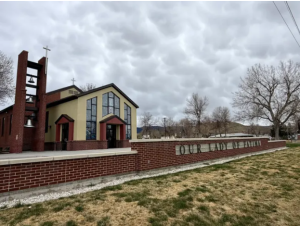
Our Lady of Fatima Catholic Church in Casper, Wyoming. (Joshua Wolfson/WyoFile)

CHEYENNE, WY — A former Wyoming Catholic youth minister and teacher in Casper sexually assaulted three boys while they took part in youth programs facilitated by a local church and the Diocese of Cheyenne, a lawsuit filed Tuesday alleges.

The civil complaint alleges that then-Wyoming Catholic youth minister Doug Hudson sexually assaulted the three boys in the 1990s. The complaint also lists the Diocese of Cheyenne, which oversees parishes throughout Wyoming, and Our Lady of Fatima Church in Casper as defendants, stating that they failed to “supervise and control” Hudson and protect the plaintiffs, which allowed for the alleged sexual assaults to occur.

A spokesperson for the diocese declined to comment on the lawsuit until diocesan officials have consulted with legal counsel. He said in an email to WyoFile that the diocese plans to respond publicly to the allegations “in the near future.”

WyoFile attempted to contact Hudson through multiple phone numbers listed online under his name and through other people. Some calls were disconnected. WyoFile left voice messages at two numbers. A reporter called another, but the person who answered hung up when the reporter asked if the number belonged to Hudson. Other people that WyoFile asked didn’t have Hudson’s contact information or declined to share it.

Hudson’s court summons lists a North Carolina address, although WyoFile found records that appear to show a person with his name moved from North Carolina to Kentucky in 2024.

The allegations

As minors, the plaintiffs had taken part in Our Lady of Fatima Church’s youth programs, where Hudson worked as a youth minister under the Diocese of Cheyenne, the complaint states. All three allege that Hudson sexually assaulted them during one of these programs.

The Diocese of Cheyenne and Our Lady of Fatima Church provided Hudson with housing on its Casper campus for conducting youth activities and services. Two of Hudson’s accusers say he assaulted them at that home, the complaint states.

Plaintiffs allege that the Diocese of Cheyenne and Our Lady of Fatima Church knew Hudson was inviting minors to his house on campus. They also believe the diocese and the church were aware that Hudson had organized at least one off-campus overnight trip for youth activities and services.

At the time, Hudson was supervised by Father Pietro Philip Colibraro, the lawsuit states. The Diocese of Cheyenne acknowledged a substantiated allegation of sexual abuse, reported in 2005, against Colibraro that involved an adolescent male. Colibraro, who died in 2017, became co-pastor of Our Lady of Fatima Church in 1990, then sole pastor of the church in 1997. He stayed there until his retirement in 2001.

According to the complaint, Colibraro was warned that Hudson was “plying adolescent males with alcohol.” The lawsuit doesn’t say who warned Colibraro or how this information came to light.

The lawsuit alleges Hudson sexually assaulted plaintiffs Anthony Jacobson and Ryan Axlund in 1995 and 1997, respectively, at the house provided by the Diocese of Cheyenne and the church. At the time, they were both minors.

According to the complaint, Hudson had “plied” each of them “with copious amounts of alcohol, including Southern Comfort” and assaulted them when they were intoxicated. Both “passed out from the alcohol intoxication,” the lawsuit states.

The complaint alleges Hudson sexually assaulted another plaintiff, James Stress, in 1996 or 1997 at a hotel during an off-campus overnight trip. According to the complaint, Hudson was assigned through the church’s youth ministry to be Stress’ personal counselor. The minister was also Stress’ teacher at Saint Anthony Tri-Parish Catholic School.

At the hotel, Hudson gave Stress “copious amounts of alcohol” and sexually assaulted him while he was intoxicated, according to the lawsuit. Stress eventually blacked out, the document states.

The complaint seeks damages of at least $50,000 per plaintiff to pay for their “bodily injury,” including past and future medical expenses and “mental pain and suffering and loss of enjoyment of life.”

Statute of limitations

While allegations of sexual abuse at the hands of Catholic leaders have occurred across the country, prosecutors in many states have run out of time to press charges.

Wyoming, however, is one of a handful of states that doesn’t have a statute of limitations for child sexual abuse crimes, meaning criminal charges can be brought at any time in the future. For civil litigation, like the case against Hudson, accusers can file a complaint within eight years after a minor turns 18, or within three years after the “discovery” of injury caused by childhood sexual abuse, whichever is later.

While he didn’t speak specifically about his clients, Dallas Laird, one of the plaintiffs’ attorneys, said that sometimes people “don’t discover what happened to them until they wonder why their life has gone the way it has, and they go to therapy.”

The lawsuit states that Jacobson and Axlund discovered in March 2024 and Stress discovered in April 2024 that Hudson had allegedly sexually assaulted them. It does not provide additional details about those discoveries.

According to Laird, one of the plaintiffs made a complaint to Casper police “when he found out what he thought happened to him.” A spokesperson for the Casper Police Department didn’t confirm or deny this, stating in an email that Wyoming law bars the department “from disclosing any information that may reasonably identify a victim or suspect in a sexual assault investigation until that investigation has been formally filed in district court.”

Laird, who lives in Casper, said he had never talked with Hudson before. “But I hope to be able to take his deposition at some point,” he added. Two Cheyenne attorneys, James and Michael Fitzgerald, are also representing the plaintiffs.

Laird said he advised his clients not to speak with the press.

The new allegations add to a list of abuse accusations against Catholic leaders and staff in Wyoming, perhaps the most infamous being former Wyoming Bishop Joseph Hart, who faced multiple sexual abuse allegations found credible by the Diocese of Cheyenne. People first came forward with allegations of abuse in 1989, but Hart, who died in 2023, steadfastly maintained his innocence, and a Vatican investigation later exonerated him of multiple allegations.

Meanwhile, Wyoming’s current bishop, Steven Biegler, announced in 2018 that an examination initiated by the diocese and conducted by an outside investigator concluded Hart sexually abused two boys in Wyoming. A month later, the diocese reported a third abuse allegation against Hart that it deemed credible.

There are currently 12 individuals with substantiated allegations of abuse against them listed on the Diocese of Cheyenne’s website.

Read original article

What would this RI bill change for survivors of clergy sexual abuse?

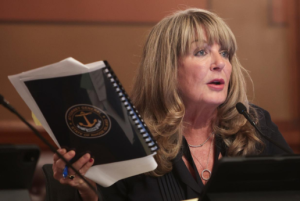
House Rep. Carol McEntee speaks in support of “Annie’s Law” to her fellow House Judiciary Committee members at the Rhode Island State House on March 12.

PROVIDENCE, RI – Legislation that would allow the victims of childhood sexual abuse to sue the Roman Catholic Diocese of Providence and any other institution that failed to stop the abuse or concealed it is headed for a vote by the full House.

The House Judiciary Committee approved the bill on a 9-to-1 vote on Thursday, April 2, setting the stage for a House debate and vote as early as next week. The only nay vote was cast by Rep. David Place, R-Burrillville.

What does the bill do? It allows victims to sue so-called “non-perpetrators” who did not commit the abuse but made it possible by action and inaction, such as moving offending priests from parish to parish. It also removes the expired time limits on lawsuits filed by victims against the church and other “institutions” for a two-year period. This “revival window” would end on June 30, 2028.

If this seems familiar: The House approved a version of the bill in 2025 on a 67-to-5 vote, with Republican Rep. Brian Newberry, a lawyer, raising the only arguments against it during debate. He said it would open Rhode Island to the potential loss of insurance companies that no longer are willing to write policies in states that “revive” decades-old claims.

But the Senate did not take it up, and it remains unclear if Senate leadership is willing to do so this year in the wake of Attorney General Peter Neronha‘s recent bombshell report on decades of hidden child sex abuse by clergy and the now-documented steps the Diocese of Providence took to try to hide it.

This was Senate President Valarie Lawson’s response on Thursday when asked the prospects for passage this year: “I spent my career in the classroom. There is no greater responsibility for those entrusted with the care of children than ensuring their safety and wellbeing.

“Attorney General Neronha’s report documents the extensive, horrifying abuse that took place across Rhode Island and the repeated failures of the Church to protect innocent children. The Senate Leadership met today with two individuals who have shared their stories with the committee in the past, Ann Webb and Hub Brennan.

“Their voices, and the voices of all abuse victims, are foremost in our minds as we consider these bills,” Lawson said. “The Attorney General’s report provides valuable context for the Senate Judiciary Committee as they consider this year’s proposals.”

Senate leaders have, in the past, cited cases where a court struck down a revival window. According to a footnote in Neronha’s report, the advocacy group Child USA has reported that Arkansas, California, Delaware, Hawaii, Louisiana, New Jersey, New York, Guam, Maryland, the Northern Mariana Islands and Vermont have temporarily or permanently provided their own revival windows.

Church warns revived lawsuits could bankrupt the diocese

No one from the diocese testified in person about the bill at a hearing in March.

But in seven pages of written testimony submitted to the House Judiciary Committee in advance of that March 12 hearing, the Rev. Bernard Healey warned lawmakers about the financial and legal havoc they could create in Rhode Island’s Catholic world and beyond.

“Nearly forty Catholic dioceses across the United States have gone into bankruptcy as a result of the passage of legislation similar to H. 7200,” Healey warned.

Without doing anything to protect “young people today,” he wrote, “The most obvious practical result of bills such as this is to generate lawsuits against the church and other institutions both public and private. This will result in millions of dollars in legal fees for plaintiffs’ attorneys.”

But the lead sponsor, House Judiciary Chairwoman Carol McEntee, whose sister was abused as a child for years by their parish priest, said: “This is Rhode Island’s Epstein files.”

She said her bill seeks belated “accountability for powerful men … who take advantage of children for their own pleasure and never are held accountable. Never.”

Other bills aimed at helping RI victims of clergy sex abuse

Two other bills that Neronha recommended were also approved by the Judiciary Committee and sent to the full House.

One would extend the statute of limitations on second-degree child sex abuse from three to 10 years from the date of the offense, or 10 years from the victim’s 18th birthday.

In second-degree sexual assault cases, there is typically no sexual penetration but something else the attorney general’s investigation documented – the “touching or fondling the genitals of a person, including over their clothes.”

A third bill approved by the committee would extend the state’s mandatory reporting of abuse and neglect requirement to charter schools, parochial schools, after-school programs, camps and various other programs involving children.

Spanish bishops and government sign deal for compensation of church sexual abuse victims

From left, Luis Arguello, the president of the Spanish Episcopal Conference, Angel Gabilondo, the Ombudsman and Felix Bolanos the Minister of the Presidency, Justice and Relations with Parliament after the signing of an agreement to provide redress to victims of time-barred abuse in Madrid, Spain, Monday, March 30, 2026. (Alberto Ortega/Europa Press via AP)

MADRIDSpain’s Catholic bishops and the Spanish government took another step Monday toward compensating victims of sexual abuse by clergy members who have died or whose possible crimes are too old to be prosecuted.

In January, Spain’s Catholic bishops agreed to let the country’s ombudsman have the final say in the church’s compensation of such victims. The government and Spain’s bishops signed paperwork Monday detailing how the new church-state reparation system, which takes effect April 15, would work.

The agreement, which envisages a one-year window for claims, marks a rare concession by the Catholic hierarchy. It’s aimed at resolving disagreements between the left-wing government and church authorities over reparations after victims criticized the church’s original in-house compensation proposal.

Archbishop Luis Argüello, the president of the Spanish Episcopal Conference, said the text will not include number amounts for the compensation that sexual abuse victims could receive.

“We wanted to exclude references to scales and quantities; that’s not what this is about,” Argüello said. “We’ve planned for the teams to start working on how to do it, but the text doesn’t establish a range or a specific amount.”

While church authorities in many Western European countries have created compensation plans for abuse victims, either run by the church or independent experts, the Spanish process is unusual because of the involvement of the state itself in the process.

Justice Minister Félix Bolaños on Monday said that the system would evaluate reparations case by case, based on factors like severity, the victim’s age and the recurrence of the abuse.

“Criteria are set to arrive at fair compensation, which should not be determined by a single figure,” Bolaños said.

In recent years, the once staunchly Catholic Spain has begun to reckon with a decades-long legacy of abuse by priests and cover-up by generations of bishops and religious superiors, mainly thanks to the initial reporting by newspaper El País.

Spain’s Parliament tasked the country’s ombudsman to investigate and in 2023 the ombudsman delivered a damning 800-page report that investigated 487 known cases of sexual abuse and included a survey that calculated the number of possible victims could reach the hundreds of thousands.

Spain’s bishops rejected that estimate, saying its own investigation had uncovered 728 sexual abusers within the church since 1945. It said that most of the crimes had occurred before 1990 and that 60% of the aggressors were now dead.

Under the new agreement, victims can approach Spain’s Justice Ministry with their initial petition. The ministry will pass it on to the ombudsman, who will study it and propose a compensation package that the church’s committee will then assess.

If no agreement can be reached with the church and the victim, the case will go to a joint committee with representatives of the church, the ombudsman’s office and victims’ associations. If that committee can’t agree, the ombudsman’s decision will stand, Bolaños said in January.

On Monday, Bolaños called the agreement a world first in which “the state has the final say and the church pays the reparations due to each victim.”

Read original article
 

Former New Orleans Catholic priest exploited family deaths to abuse disabled boy, police allege

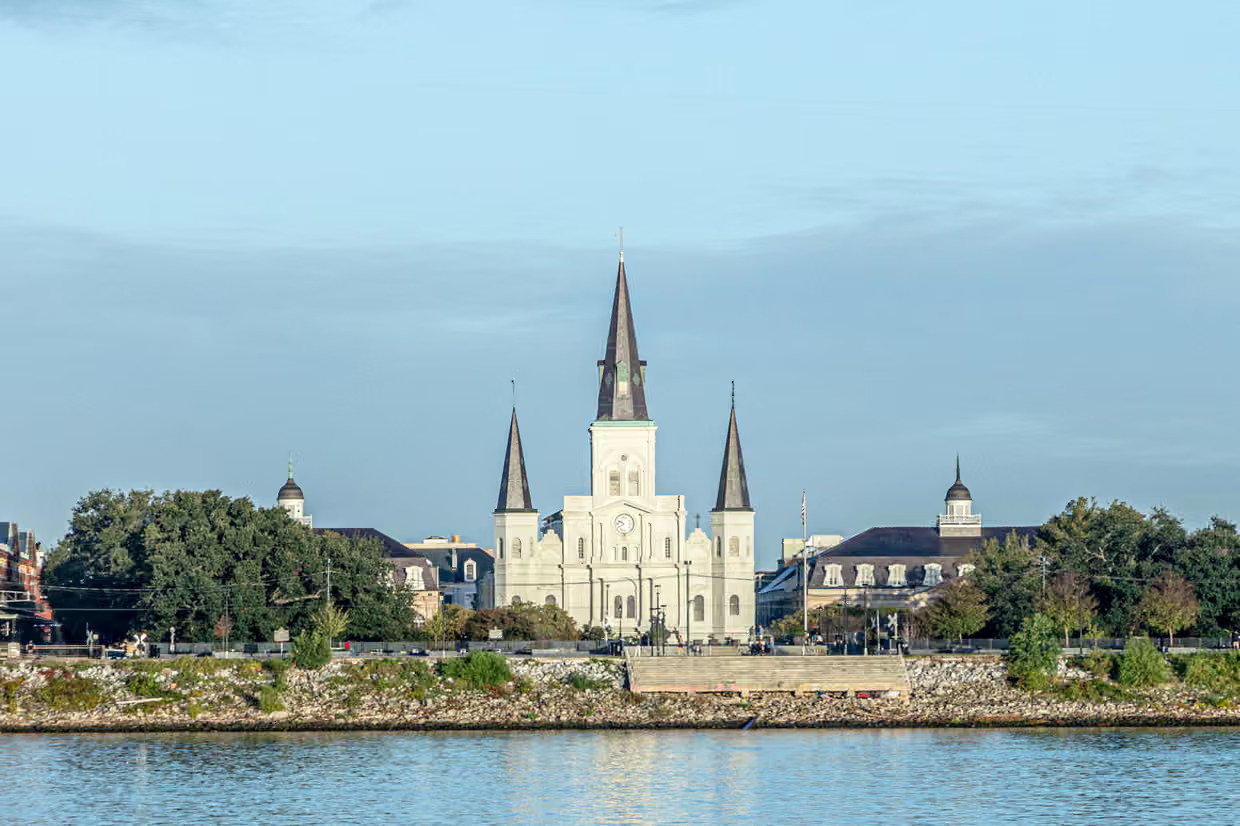
NEW ORLEANS — A man working as a Roman Catholic priest in New Orleans positioned himself as a mentor to a young disabled boy grieving two family deaths – and then exploited the proximity to abuse him for years, police allege.

Those details are contained in criminal court records generated by the arrest of Mark Francis Ford in Indiana in September as well as his subsequent transfer to the Orleans Justice Center jail, a process which was completed late on Tuesday.

Ford, 64, made an initial appearance in Criminal District Court on Wednesday as he became the latest figure to come under scrutiny during the New Orleans Catholic church’s long-standing clergy molestation scandal.

A magistrate commissioner temporarily ordered Ford held without bail.

Ford is one of several men who have worked as Catholic clergymen in New Orleans to have been arrested by authorities in connection with child sexual abuse allegations after the city’s archdiocese filed for federal bankruptcy protection in 2020. That bankruptcy filing was designed to limit its financial liability with respect to hundreds of claims of clergy molestation, mostly victimizing children, over several decades.

The New Orleans archdiocese has agreed to pay at least $230 million to collectively settle with abuse survivors whose claims are tied up in the bankruptcy. Those survivors have until Oct. 29 to vote on whether or not to approve the settlement.

According to a sworn statement from one of the city’s sex crimes detectives, the accuser at the center of Ford’s case reported being about 10 when he met the man known to him as “Father Mark” in 2004 through a program for disabled youth named God’s Special Children, which Ford co-founded.

The boy was mourning the deaths of his grandmother and father when Ford – who was a Catholic priest from 1992 to 2007 – grew close to him, making it a point to visit the child at home to play video games with him and give him guitar lessons, the police statement said.

Then, police alleged, Ford began displaying pornography to the boy, who has a degenerative spinal condition which occasionally requires him to use a wheelchair and is on the autism spectrum. Ford was said to have ignored the boy when he expressed discomfort with the explicit content and allegedly instructed the child to keep it secret from his mother.

On several occasions after that, Ford allegedly sexually attacked the boy at the child’s home, telling him his family would not believe him if he ever spoke out.

An aunt of the boy walked in shortly after one of the attacks, prompting the child to try to signal distress through body language and eye contact – though the relative did not realize anything was wrong, according to police.

The accuser, legally ruled to be a minor despite having reached the age of majority, came forward to police in November 2024. He subsequently underwent two forensic interviews, and on Sept. 9, police obtained a warrant to arrest Ford on four counts of first-degree rape.

The warrant also accused Ford of two counts each of sexual battery, indecent behavior with a juvenile and second-degree kidnapping. The offenses Ford is alleged to have committed in the case occurred between 2004 and 2014, the warrant for his arrest said.

On Sept. 25, police arrested Ford in Portage, Indiana, where he was residing, holding him without bail pending his extradition to New Orleans. Ford waived his right to challenge the extradition at an Oct. 1 court hearing. And he was booked into New Orleans’s lockup late on Tuesday.

Ford in court on Wednesday was ordered held without bail until at least another hearing that was tentatively set for Friday.

He would face mandatory life imprisonment if eventually convicted as the accused.

Ford belonged to the Catholic religious order known as the Vincentians, and he ministered at various churches within the archdiocese of New Orleans as well as the dioceses of Dallas and Gallup, New Mexico, during his clerical career. He helped launch God’s Special Children while at St Joseph church on Tulane Avenue in New Orleans, which the Vincentians have run since 1858.

The Vincentians say Ford eventually successfully asked the Vatican to laicize him, or remove him from the Catholic priesthood. An online profile of Ford said he worked for Louisiana’s government beginning in 2006 as assistant director of disability affairs, and later, in a separate role, aided efforts by the state’s Native tribes to recover from hurricanes.

More recently, Ford was reported to have joined the US hunger relief non-profit Feeding America with positions in Phoenix and Chicago. And he was listed as a board member of the American Indian Center in Chicago.

The church watchdog group BishopAccountability.org says Ford was not listed among active clergy members in the 1994, 1999, 2002 and 2003 editions of the Official Catholic Directory (OCD) – disappearances that often correlate with “problems in ministry that are not being managed in a transparent way, and/or periods during which the priest has been sent to a treatment center”.

Only the earliest of those interruptions in ministry was ostensibly explained in the news media, as BishopAccountability.org noted.

The Dallas Morning News reported in 1997 that Ford had previously entered a program in Albuquerque, New Mexico, run by the Servants of the Paraclete.

The reason provided was that Ford had problems managing money while working at two churches in Arizona for the diocese of Gallup.

The Servants of the Paraclete’s program at the time was arguably better known for treating other issues – ranging from substance abuse to child sexual abuse.

As a gesture of transparency and reconciliation amid the fallout of the worldwide Catholic church’s clergy molestation scandal, the Vincentians, the New Orleans archdiocese and the dioceses of Gallup and Dallas have published lists of clergymen with credible allegations of child molestation.

Ford had not immediately been added to those lists after his arrest in Portage, according to information on BishopAccountability.org.

Ex-priest indicted for allegedly raping disabled child while ministering in New Orleans

A man accused of molesting a disabled boy whom he met while working as a Roman Catholic priest in New Orleans has been indicted on child rape charges, according to authorities.

Grand jurors seated in New Orleans’ state criminal courthouse on Thursday handed up a nine-count indictment against Mark Francis Ford, nearly five months after authorities arrested him and jailed him without bail. The document charges Ford, 64, with aggravated rape of a child; raping a person suffering from a physical disability preventing resistance; two counts of molesting a juvenile; another three of indecent behavior with a minor; and kidnapping.

Ford is only the latest figure to come under authorities’ scrutiny during the longstanding clergy molestation scandal within the New Orleans Catholic church. Prosecutors allege that he committed the offenses cited in the indictment between 2006 and 2008, victimizing a boy who was between the ages of 12 and 14.

He would face mandatory life imprisonment if convicted as accused in the indictment, through which the office of the New Orleans district attorney, Jason Williams, filed formal charges against Ford in connection with his earlier arrest.

Ford’s attorney, Ralph Whalen, did not immediately comment on Thursday. He later pleaded not guilty to all charges.

Court records generated by Ford’s arrest allege that he positioned himself as a mentor to the victim in the case while the boy grieved two family deaths. Ford then allegedly exploited that proximity to abuse the boy, whom he met through a church program for youth who are disabled.

The name of that program was God’s Special Children, and it was co-founded by Ford.

As police tell it in a sworn statement filed in court, the boy was mourning his grandmother’s and father’s deaths when Ford, who was a Catholic priest from 1992 to 2007, grew close to him, visited him at home to play video games with him and gave him guitar lessons.

Then, police alleged, Ford began showing pornography to the boy, who is on the autism spectrum and has a degenerative spinal condition, which occasionally requires him to use a wheelchair. Ford allegedly ignored the boy’s pleas when the child expressed discomfort with the explicit content, eventually sexually attacked the boy on several occasions and told him his family would never believe him if he reported the abuse.

Legally ruled to still be a minor despite having reached the age of majority, the victim came forward to police in November 2024, court documents say. He subsequently underwent two forensic interviews, and police obtained a warrant to arrest Ford in early September.

Authorities arrested Ford in Portage, Indiana, where he was residing, later that month. He was transferred to New Orleans’ jail in October and ordered detained there without bail pending the outcome of the case.

Williams’s office has previously said the case against Ford is “deeply serious and disturbing”.

“He is accused of using his position to commit violent and reprehensible acts against a child with a disability,” a prior statement from Williams’s office said. “These allegations represent an unacceptable breach of trust and a level of vulnerability that should never be taken advantage of.”

Ford is among several men who have worked as Catholic clergymen in New Orleans to have been arrested by authorities in connection with child sexual abuse allegations, both before and after the city’s archdiocese filed for federal bankruptcy protection in 2020.

The archdiocese and its insurers in early December agreed to pay $305m collectively to settle with abuse survivors whose claims were ensnared in the bankruptcy case. Almost a year to the day before that agreement, the retired New Orleans Catholic priest Lawrence Hecker pleaded guilty to decades-old rape and kidnapping charges and received a mandatory life sentence. He died in prison at age 93, soon thereafter.

Shortly after Ford’s indictment, in an unrelated case, the archdiocesan all-girls high school at New Orleans’s the Academy of the Sacred Heart, announced that a lay biology teacher there had been arrested under a state law prohibiting sexual conduct between educators and students.

The teacher, a 29-year-old woman named Teddi Page, had been fired in addition to being arrested, according to the school. The school said Page had come under investigation when it became “aware of a concern earlier [in the] week about [her] interactions with one of our students”.

Ford belonged to the Catholic religious order known as the Vincentians, and he was assigned to various churches within the archdiocese of New Orleans as well as the dioceses of Dallas and Gallup, New Mexico, during his clerical career. He helped found God’s Special Children while at New Orleans’ St Joseph church, which the Vincentians have run since 1858.

The Vincentians say Ford eventually successfully asked the Vatican to remove him from the Catholic priesthood. An online profile of Ford said he worked for Louisiana’s government beginning in 2006 as assistant director of disability affairs, and later, in a separate role, aided efforts by the state’s Native tribes to recover from hurricanes.

More recently, Ford was reported to have joined the US hunger relief non-profit Feeding America with positions in Phoenix and Chicago. And he was listed as a board member of the American Indian Center in Chicago.

The church watchdog group BishopAccountability.org has previously said the 1994, 1999, 2002 and 2003 editions of the Official Catholic Directory failed to list Ford among active clergy members. Such disappearances can often signal “problems in ministry that are not being managed in a transparent way, and/or periods during which the priest has been sent to a treatment center”, the group said.

Yet, as the website noted, only the earliest of those interruptions in ministry was publicly explained. The Dallas Morning News reported in 1997 that Ford had entered a program in New Mexico to be treated for problems managing money while working at two churches in Arizona for the Gallup diocese.

 In the US, call or text the Childhelp abuse hotline on 800-422-4453 or visit their website for more resources and to report child abuse or DM for help. For adult survivors of child abuse, help is available at ascasupport.org. In the UK, the NSPCC offers support to children on 0800 1111, and adults concerned about a child on 0808 800 5000. The National Association for People Abused in Childhood (Napac) offers support for adult survivors on 0808 801 0331. In Australia, children, young adults, parents and teachers can contact the Kids Helpline on 1800 55 1800, or Bravehearts on 1800 272 831, and adult survivors can contact Blue Knot Foundation on 1300 657 380. Other sources of help can be found at Child Helplines International

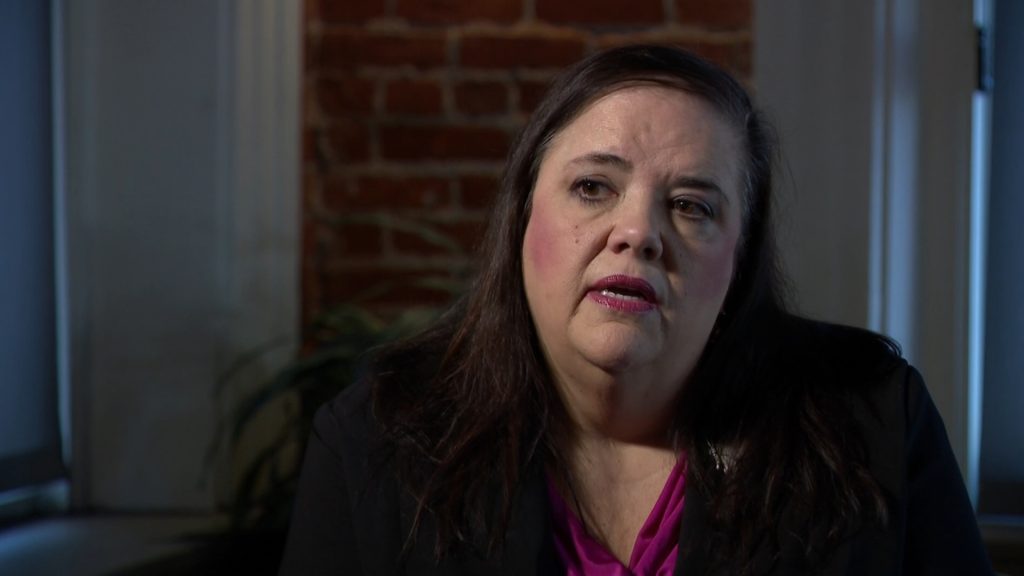
‘Who we honor matters’ | Claudia Vercellotti has spent decades fighting for accountability

 Brian Dugger

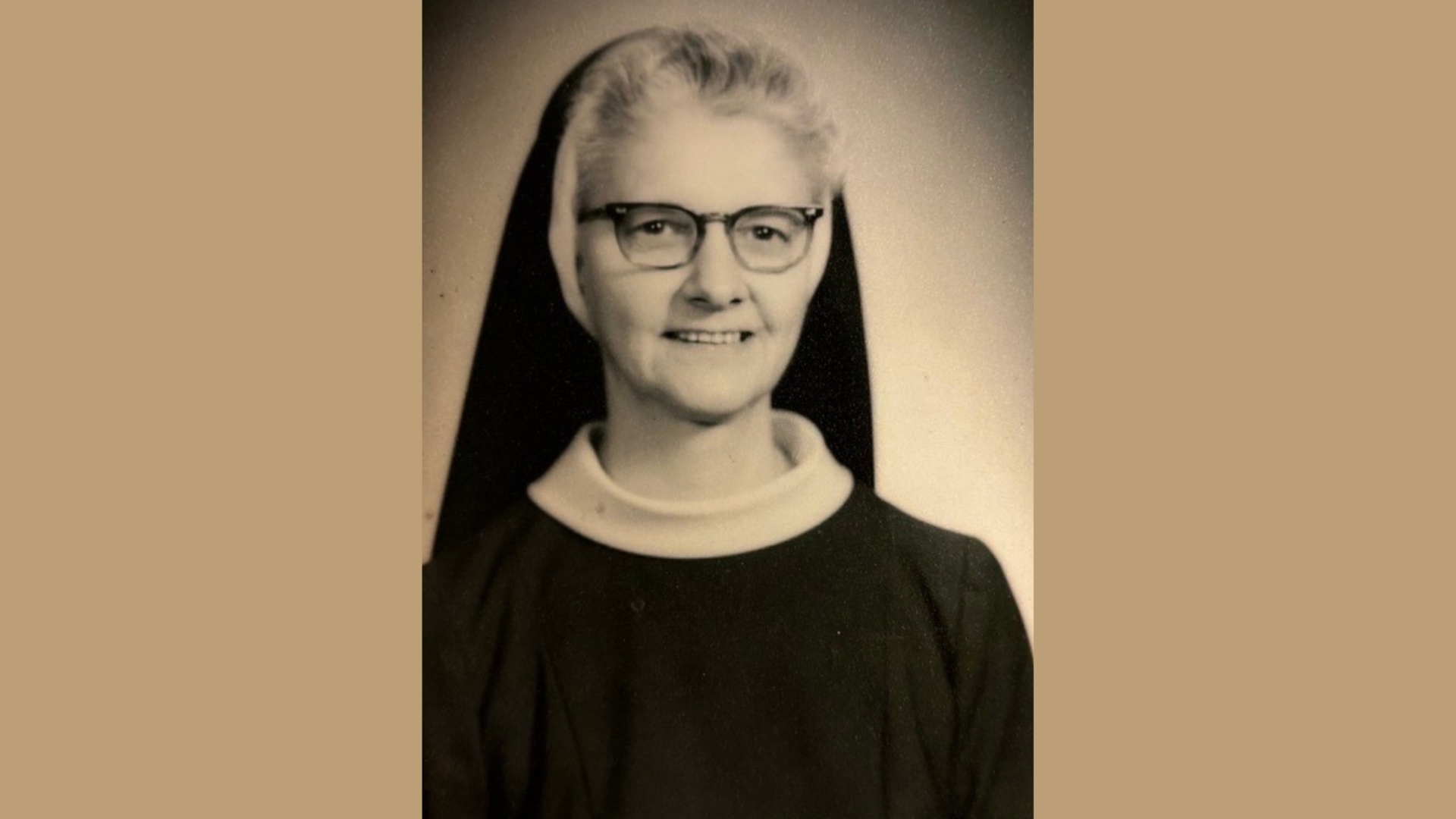
Decades after the killing of Sister Margaret Ann Pahl, the Ohio SNAP founder believes the Catholic Church continues to fail one of its most devoted servants.

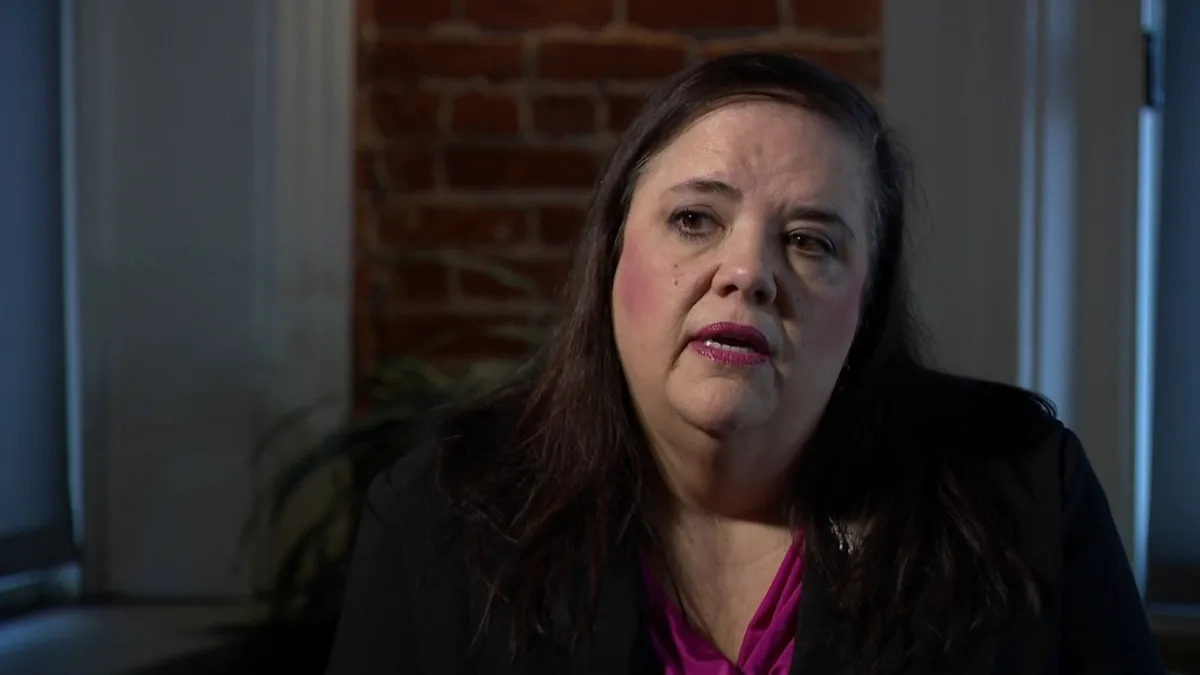
Claudia Vercellotti pops out of an elevator inside Toledo’s Oliver House, lugging an oversized bag of poster boards.

She founded the Ohio chapter of SNAP – Survivors Network of those Abused by Priests – in 2002, giving her plenty of time to add to her collection of boards, which contain images of Catholic Church-related documents.

But she did not initially come to the Father Gerald Robinson case through documents. She came to it as a child riding through Toledo in the 1980s, looking out a car window at Mercy Hospital and knowing that something terrible had happened there.

“When I was a kid in the 80s, I attended the Community of the Risen Christ Church,” she says. “We were the hippie church on wheels.”

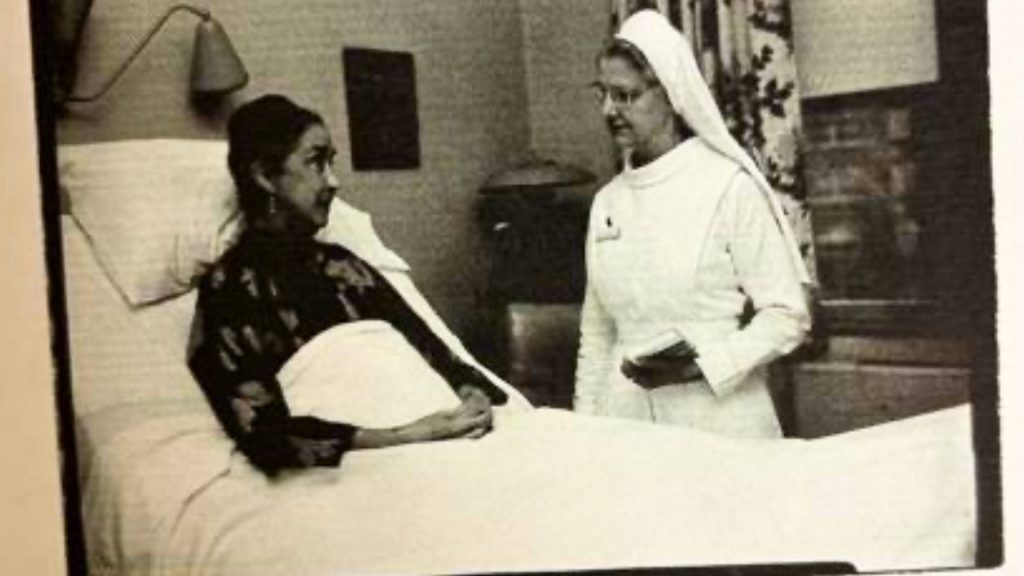
On the way to church, she would pass Mercy Hospital, the site of Sister Margaret Ann Pahl’s murder.

“It was a horrible, horrible crime at that time. I mean, who murders a Catholic nun?”

Years later, Vercellotti became one of the most persistent public critics of the Toledo Catholic Diocese. On this afternoon, her criticism is aimed at the church’s handling of the murder of one of its most loyal servants.

“Sister Margaret Ann Pahl devoted her life to Christ. Those are the vows that she took. That’s all she did. She gave her life to Jesus and was murdered in a very violent, graphic, horrific way on Holy Saturday,” Vercellotti says.

She isn’t shy with her opinions.

“Shamefully so,” she says when asked whether Catholic influence played a role in Father Robinson not being charged in 1980. “Father Robinson was given a pass.”

More than 45 years after the crime, 20 years after Robinson’s conviction and nearly 12 years since his death, Vercellotti is still bothered by how the investigation was handled – first in 1980, then in 2004.

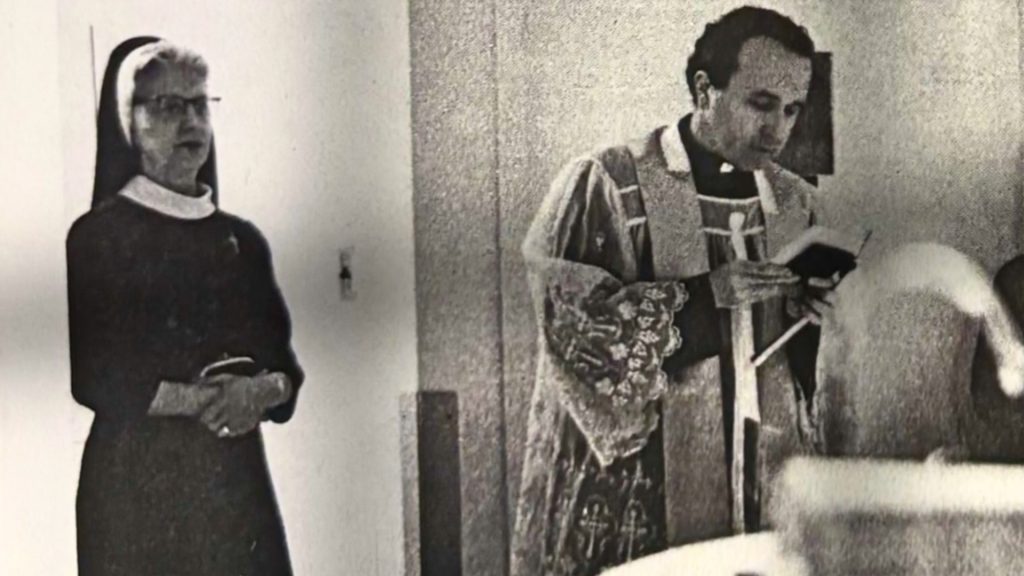
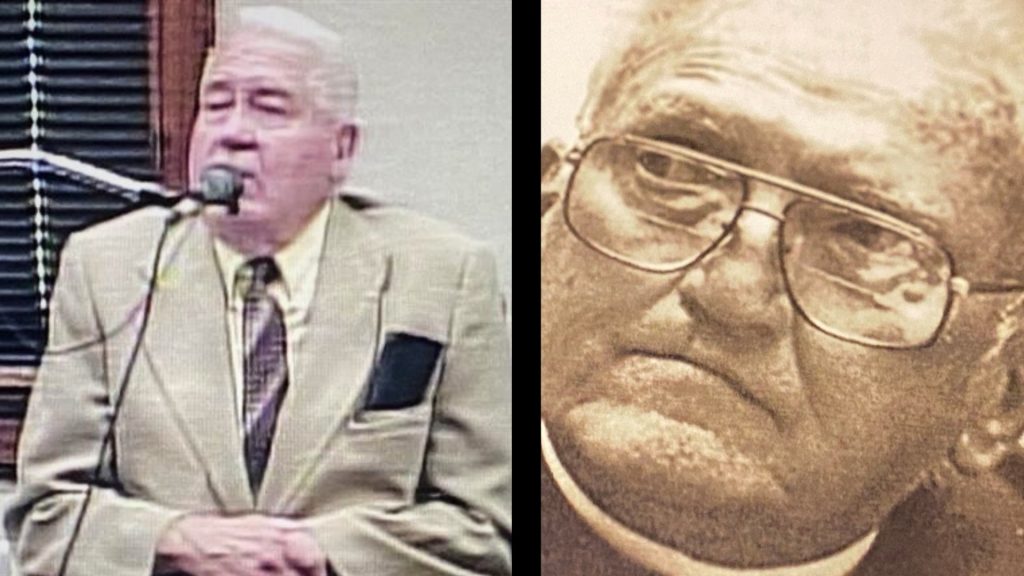
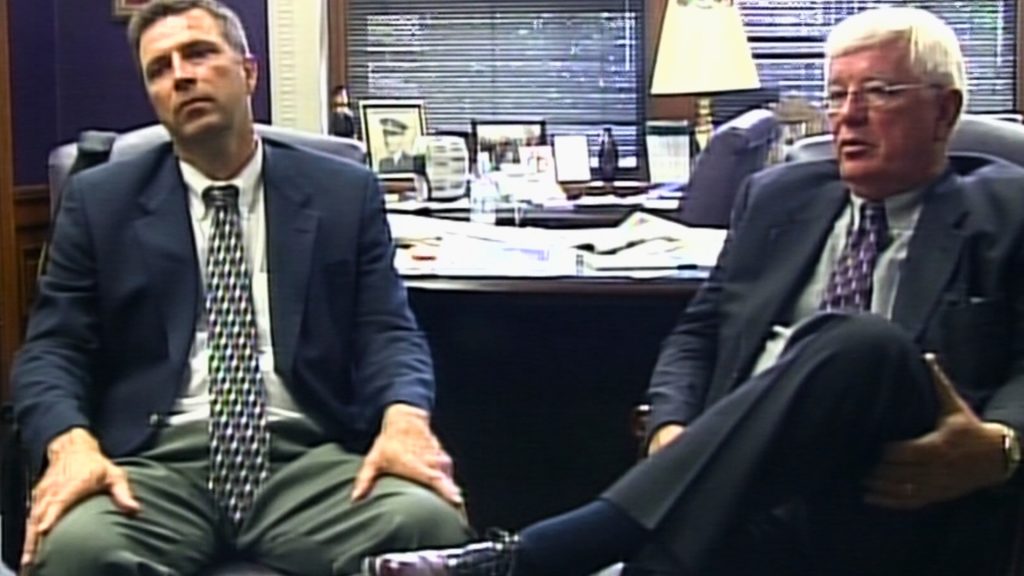
In 1980, Robinson was walked out of an interrogation room by Monsignor Jerome Schmidt and Deputy Police Chief Ray Vetter, despite what Vercellotti describes as a near-unanimous belief among investigators that Robinson was the likely perpetrator. She sees the early handling of the case as both an outrage and a warning.

“They have the prime suspect within three weeks,” she says. “The whole investigation, which was touted as Toledo’s most notorious murder investigation, is wrapped up in three weeks flat. If that is how you investigate the most notorious murder, what real hope does anyone else have?”

That belief hardened over the years as she worked clergy abuse cases and watched the diocese, in her view, respond with the same instincts over and over again. She does not treat the Robinson case as separate from that history. She links it directly to it.

“There was well-documented collusion between the police and Toledo Catholic diocese for making these cases go away,” she says.

Priests, she argues, were quietly moved, victims were blamed, and accusations were managed instead of exposed.

“They just keep covering up, covering up, covering up.”

When a woman came before the diocesan review board in the early 2000s with allegations that included Father Robinson, Vercellotti says she saw the same machinery spring back to life. The bishops had promised openness, honesty and transparency in the wake of the Boston Globe’s reporting on clergy abuse and the Dallas Charter – a set of procedures adopted by the United States Conference of Catholic Bishops in June 2002 for addressing allegations of sexual abuse of minors by Catholic clergy.

In August 2002, the Toledo Diocese and the Lucas County Prosecutor’s Office signed an agreement in which allegations of abuse made to the diocese would be turned over to prosecutors. Instead, letters displayed on Vercellotti’s poster boards, written by the diocese’s lawyers, encourage the review board not to report the woman’s allegations.

“Who tells someone not to report?” she asks. “Why would you ever discourage an entity or organization or individuals from going to the police or prosecutor? Why would you do that if you weren’t trying to hide something?”

She does not separate those letters from the larger culture of secrecy she says defined the diocese’s response to abuse claims.

“This review board process was a farce,” she says. “You couldn’t tell victims that because they wanted to believe in the process and they wanted to believe in the church.”

Investigators and Lucas County Prosecutor Julia Bates credit the woman’s letter with reigniting the investigation into Father Robinson. 11 Investigates has communicated with the letter writer on multiple occasions. Like Vercellotti, she believes the church was attempting to make her claims go away.

She gave her letter to Vercellotti, who took it to the Ohio Attorney General.

“Multiple times,” Vercellotti says of meeting with agents. “They had a satellite office in Bowling Green. We met with them and delivered documents multiple times.”

Included in the Toledo Police file on the case is a report from Detective Steve Forrester discussing being provided the letter from the Attorney General’s office. His partner, Tom Ross, recognized Robinson as the sole suspect in the 1980 murder.

“The more they looked into the allegations, the more it couldn’t be ignored,” she says.

She attended the trial every day. She remembers the emotion of seeing a priest charged, the parishioners who posted homes to bond him out and the overwhelming sense that Sister Margaret Ann’s life was still somehow being treated as secondary.

“As though her life didn’t matter,” she says.

She was especially struck by the lengths she says authorities once went to protect Robinson.

“They had him. They had the murder weapon. There were so many, so many components, but it just all ended when Monsignor Schmit, accompanied by Ray Vetter, plucked him out of the interrogation room.”

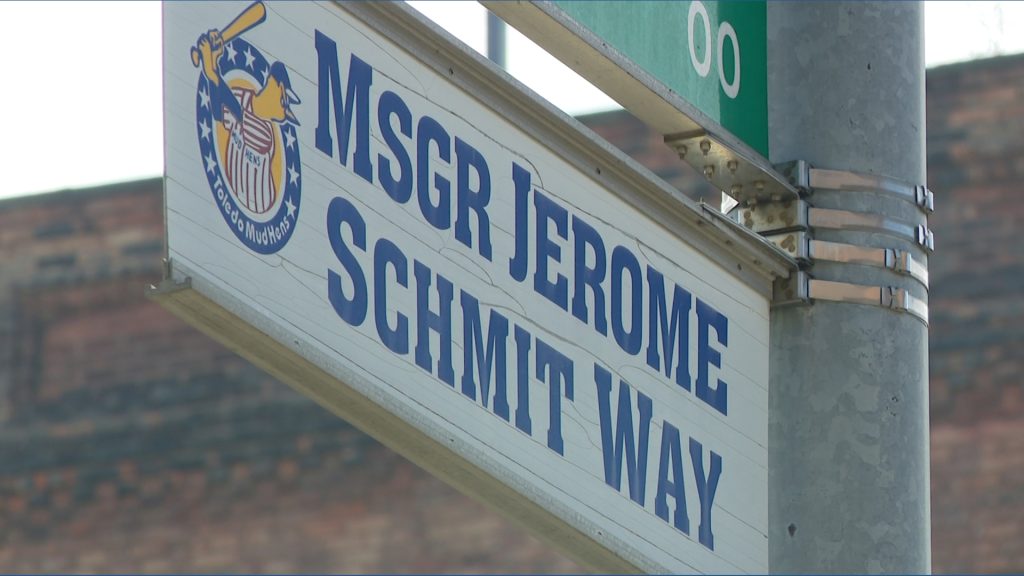
That is why Vercellotti has spent years fighting over a street sign near Fifth Third Field that honors Monsignor Jerome Schmit.

“Who we honor matters,” she says. “There’s no place to honor someone who has obstructed a murder.”
She has asked mayors, bishops and city leaders to take the sign down. She says she has either been ignored or received dismissive letters.

Her frustration is aimed directly at the diocese’s current leadership.

“It is never too late to do the right thing,” she says. “I’d ask them what Jesus would do? How hard is it just to give a full, unabridged accounting and stop making excuses for what you knew and when you knew it?”

For Vercellotti, the case has never been only about one dead nun, one convicted priest or one old scandal. It is about whether truth will ever outrun secrecy. It is about whether the church will ever stop protecting itself first.

And it is about whether Sister Margaret Ann Pahl, who in her view “really lived her vows and embodied her vows fully,” will ever be honored as fiercely as the men who failed her.


Advocates work to reconcile César Chavez’s labor rights legacy with sexual abuse allegations

Mary Rose Wilcox and her husband marched and fasted alongside César Chavez. They helped him open a radio station in Phoenix and plastered their Mexican restaurant with photos and a mural of the widely admired Latino icon.

So when Wilcox’s daughter called this week to inform them of sexual abuse allegations leveled against Chavez, she said it felt like a punch to the gut.

By Wednesday morning, the couple had taken down Chavez’s photos from their restaurant walls and made plans to cover the mural.

“We love César Chavez. But we cannot honor him and we cannot even love him anymore,” said the former Phoenix City Council member.

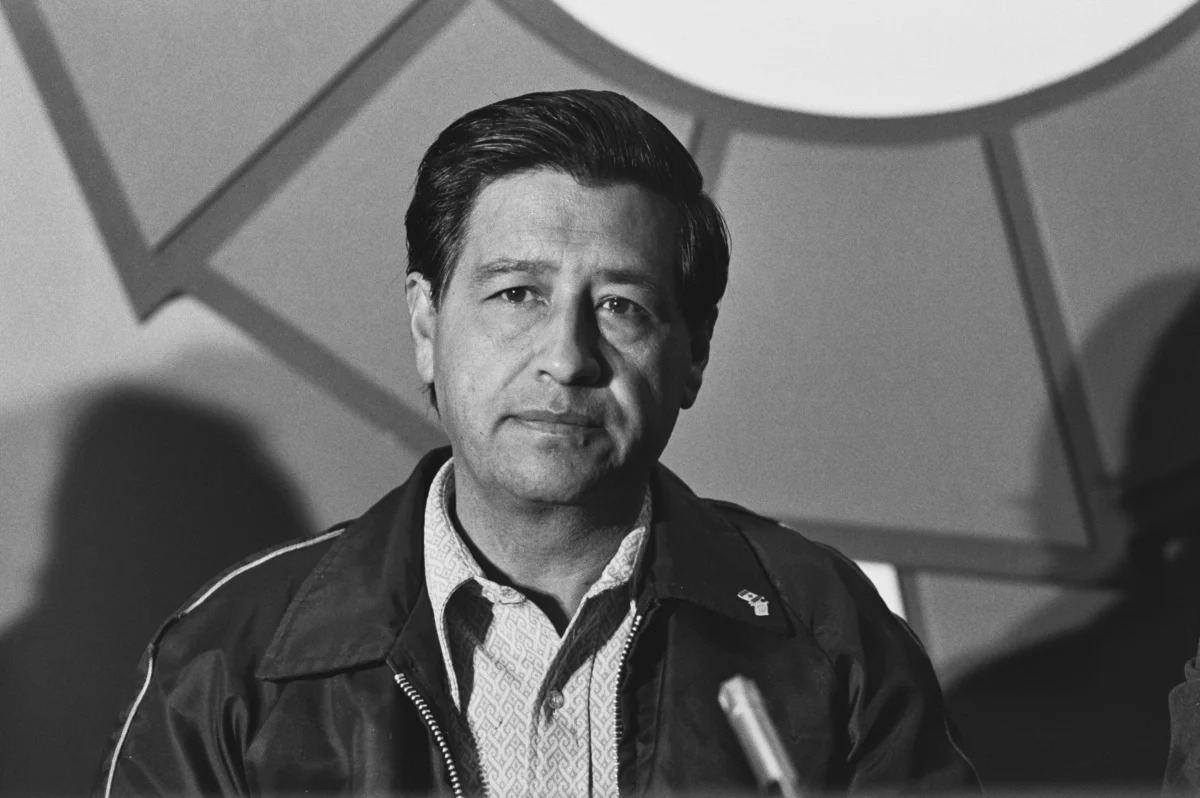
Many like Wilcox are working to reconcile the legacy of a man who fought tirelessly for the rights of farmworkers with stunning allegations that he sexually abused girls and the co-founder of the United Farm Workers of America union, Dolores Huerta.

Latino leaders and community groups quickly condemned the alleged abuse by Chavez but emphasized that the farmworker movement was never just about a single man. Chavez died in California in 1993 at age 66.

There were calls to alter memorials honoring the man who in the 1960s helped secure better wages and working conditions for farmworkers and has been long revered by many Democratic leaders in the U.S. The California Museum said it will remove Chavez from the state’s Hall of Fame — something it’s never done before.

Some local and state leaders in both parties urged their communities not to celebrate Chavez’s birthday on March 31, and to rename buildings and streets named for him. Celebrations for Chavez in California, Texas and in his home state of Arizona have been canceled at the request of the Cesar Chavez Foundation.

Dolores Huerta stamped her own legacy on the fight for justice

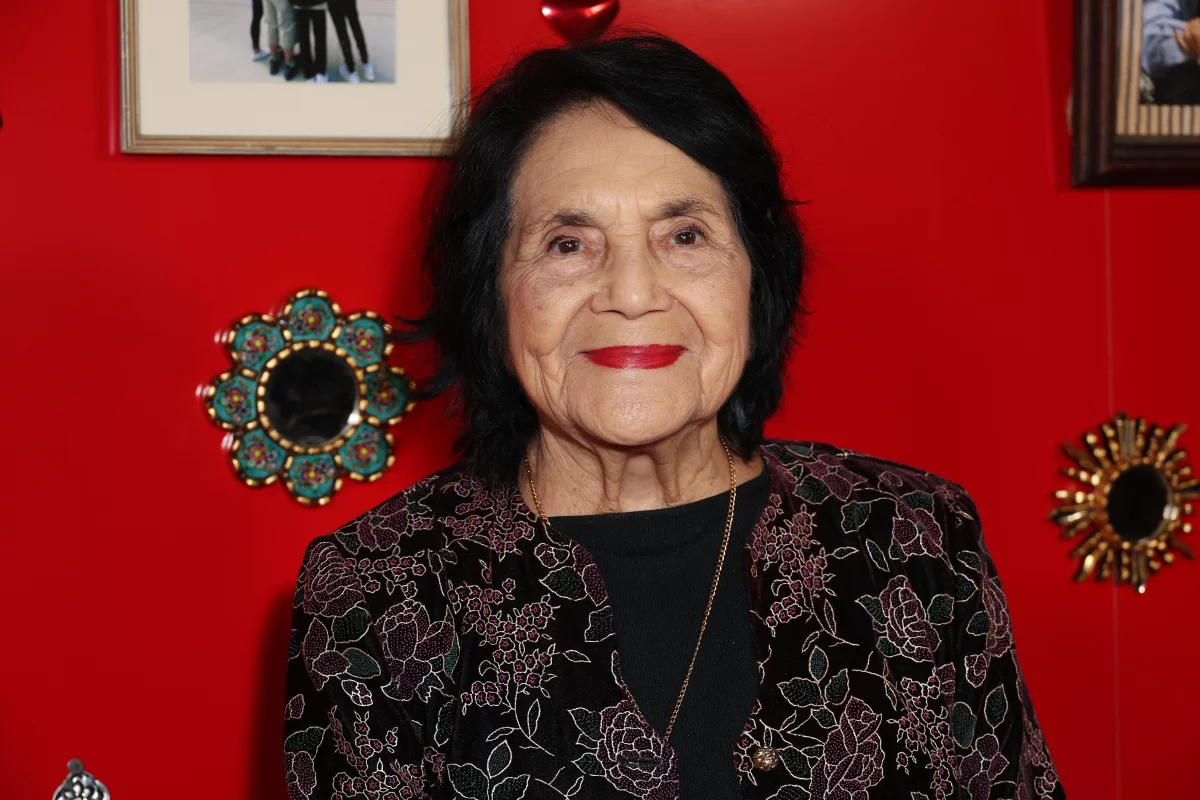
Huerta, who is a labor rights legend in her own right, said in a statement released Wednesday that she stayed silent for 60 years for fear her words could hurt the farmworker movement. She said she did not know Chavez had hurt other women.

Huerta described two sexual encounters with Chavez; one in which she was “manipulated and pressured” and another when she was “forced against my will.” She said both led to pregnancies, which she kept secret, and that she arranged for the children to be raised by other families.

She joined Chavez in 1962 to co-found the National Farm Workers Association, which became the United Farm Workers of America. For many, they were akin to Martin Luther King. Jr. and Rosa Parks because of their work advocating for racial equality and civil rights.

Huerta’s resolve and dedication to civil rights, women’s rights and social justice won wide admiration. Some, including a group of Democrats in Texas, are calling for Huerta’s name to replace Chavez’s on places that bear his name.

The New York Times first reported Wednesday that it found Chavez groomed and sexually abused young girls who worked in the movement. Huerta, too, revealed to the newspaper that she was a victim of the abuse in her 30s.

Some knew about Chavez’s abusive behavior, biographer says

Chavez is known nationally for his early organizing in the fields, a hunger strike, a grape boycott and eventual victory in getting growers to negotiate with farmworkers for better wages and working conditions.

Streets, schools and parks across the Southwest bear Chavez’s name. California became the first state to commemorate his birthday, and in 2014, then-President Barack Obama proclaimed March 31 César Chavez Day. President Joe Biden had a bronze bust of Chavez installed in the Oval Office when he moved into the White House.

Biden and Obama have not yet commented on the allegations. California Gov. Gavin Newsom said he was still processing the news.

Chavez was full of contradictions even as a union leader, said Miriam Pawel, a California journalist who wrote a biography of him. There was abusive behaviors within the union, but people didn’t speak out because they believed the union was the best way to protect farmworkers, she said.

“For many, many years, for most of those people, even when they saw things that they found disturbing, they did not wanna talk about it,” Pawel said.

Chavez’s family and foundation voice support for the victims

Born in Yuma, Arizona, Chavez grew up in a Mexican American family that traveled around California picking lettuce, grapes, cotton and other seasonal crops.

Chavez’s family said in a statement that they are devastated by the allegations.

“We wish peace and healing to the survivors and commend their courage to come forward. As a family steeped in the values of equity and justice, we honor the voices of those who feel unheard and who report sexual abuse,” the family said.

The Cesar Chavez Foundation pledged support for the labor leader’s victims, saying — with the Chavez family’s support — the organization will figure out its identity going forward.

The United Farm Workers union quickly distanced itself from annual celebrations of its founder, calling the allegations troubling.

Wilcox, the former Phoenix council member, said Chavez helped people understand the value of workers at all levels.

“There’s two things: Chavez the man and Chavez the man who we didn’t know,” she said. “And the one we knew, we knew the good things he did and the things we saw put in place. … And the one we did not know is like a monster.”

The second death of Cesar Chavez and his legacy

My phone kept going off on Wednesday afternoon with texts from different friends — each wanting to trade thoughts on what felt like the second death of Cesar Chavez. His first death happened on April 23, 1993. He was 66 and died of natural causes. Over 50,000 people attended his funeral in Delano, Calif. And he was posthumously awarded the Presidential Medal of Freedom in 1994.

At that time, I was in elementary school in suburban Chicago, far from California. It was then that I first learned of Chavez and his movement’s hard-fought efforts to secure better wages and improved working conditions for farm workers. As a daughter of janitors and a factory worker, I knew what better pay and the right to a union meant for people like us.

Chávez’s second death landed on Wednesday after a The New York Times investigation revealed he had been accused of sexual abuse and rape. NPR has not independently confirmed the allegations against Chavez in the Times investigation.

For several years before joining Morning Edition as an editor, I covered sexual violence for ProPublica, an investigative newsroom. My work there was often not about catching the bad guys but rather about listening, for extended periods of time, to the people they hurt. This work took me to places such as Alaska and Utah where I met a broad range of people who were assaulted in recent years and some, who like Huerta, never spoke of their experiences for decades.

Consistent with national statistics, the perpetrators whom I wrote about were often family, bosses, clergy or others in positions of power.

This week, many of the voices of the victims I spoke with hearkened back to the experiences that the New York Times‘s investigation revealed in telling of the sexual abuse that Ana Murguia, Debra Rojas and Dolores Huerta shared with the publication. I was grateful to learn Murguia’s and Rojas’ names alongside the much more familiar one of Huerta, the civil rights icon in her own right who co-led the United Farm Workers movement that made Chavez famous.

I’ve learned that there is no timeline for naming what was done to you by people you trusted. I’ve learned that justice for many means the world recognizing the harm done to them — and the difficult work they have done to no longer live defined by it. I’ve learned that people care about protecting others. And that sometimes, by sharing their stories, survivors hope to prevent future harm.

My friends and I may be down a hero this week. But, we gained two new heroes in Ana Murguia and Debra Rojas, who, alongside Dolores Huerta, showed us it’s never too late to speak up. In fact, it might be the only way out for them and others.